

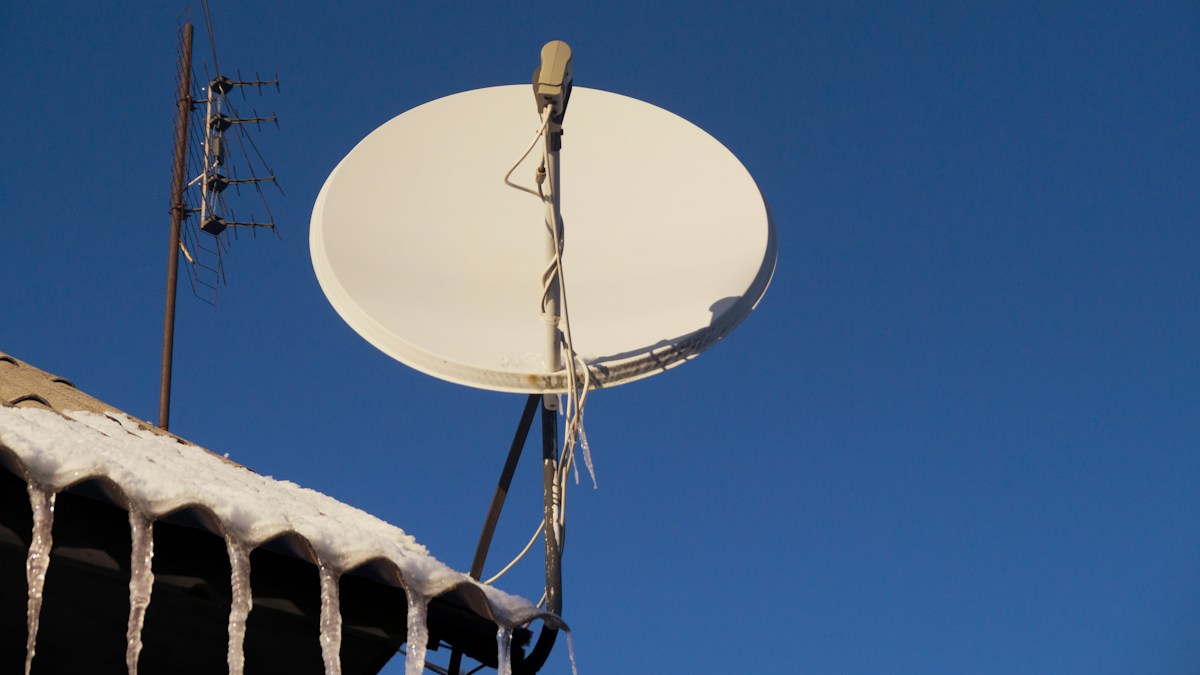
Drilling angles, silicone grommet seals, drip loops, and masonry wall feedthrough techniques for rural homes.
The Geometry of Exterior Wall Drilling: Upward Angled Holes
When drilling through wood siding, stucco, or brick veneer, always drill from the interior to the exterior at a slight 15-degree downward angle (exterior hole lower than interior hole). This simple gravitational slope ensures that even if wind-driven rain penetrates the outer seal, water cannot travel uphill into interior drywall.
Masonry SDS Drill Bits and Conduit Sleeves
Passing Starlink specialized proprietary connectors through thick brick or concrete block requires a 3/4-inch to 1-inch SDS rotary hammer bit. To prevent rough masonry edges from wearing through cable jackets during seasonal expansion, install a smooth PVC conduit sleeve through the wall before pulling cable.
The Critical Exterior Drip Loop and Silicone Grommets
Never route an outdoor satellite cable straight into a wall penetration hole. Form a 6-inch diameter circular downward U-bend (“drip loop”) in the cable directly below the entry hole. Rainwater running down the cable drips off the bottom of the loop onto the ground rather than following the wire into your wall.
Technical Specifications & Reference Matrix
| Wall Material | Required Drill Type | Hole Diameter | Sealing Method |
|---|---|---|---|
| Wood Lap / Vinyl Siding | Standard Spade / Auger Bit | 3/4 inch (19mm) | Silicone Wall Bushing / Grommet |
| Exterior Brick Veneer | Rotary Hammer SDS Plus | 1 inch (25mm) | PVC Conduit Sleeve + 100% Silicone |
| Poured Concrete Foundation | Heavy SDS Max Rotary Hammer | 1 inch (25mm) | Hydraulic cement + exterior polyurethane |
| Stucco / EIFS Wall | Carbide Masonry Bit (Non-hammer) | 3/4 inch | EPDM rubber grommet + UV-rated silicone |
💡 Expert Field Recommendation
Always push cable from the exterior of the house inward, feeding the smaller router connector into the house. If using the official Starlink cable routing kit, use the included silicone grommets which compress cleanly around the proprietary cable shape.
Diagnostic Troubleshooting Checklist
- Cable outer jacket tore on rough brick hole: Seal immediately with high-voltage self-amalgamating rubber tape followed by heavy-duty 3M Super 33+ vinyl electrical tape to prevent water ingress into foil shielding.
Frequently Asked Questions
Can the proprietary Starlink cable be cut and spliced?
While technically Cat6 STP, splicing the proprietary cable can alter impedance and reduce Power-over-Ethernet (PoE) delivery, potentially voiding hardware warranties. Using an uncut factory cable is strongly advised.
Article researched and verified by Travis Caldwell, dedicated technical specialist and editorial contributor.
